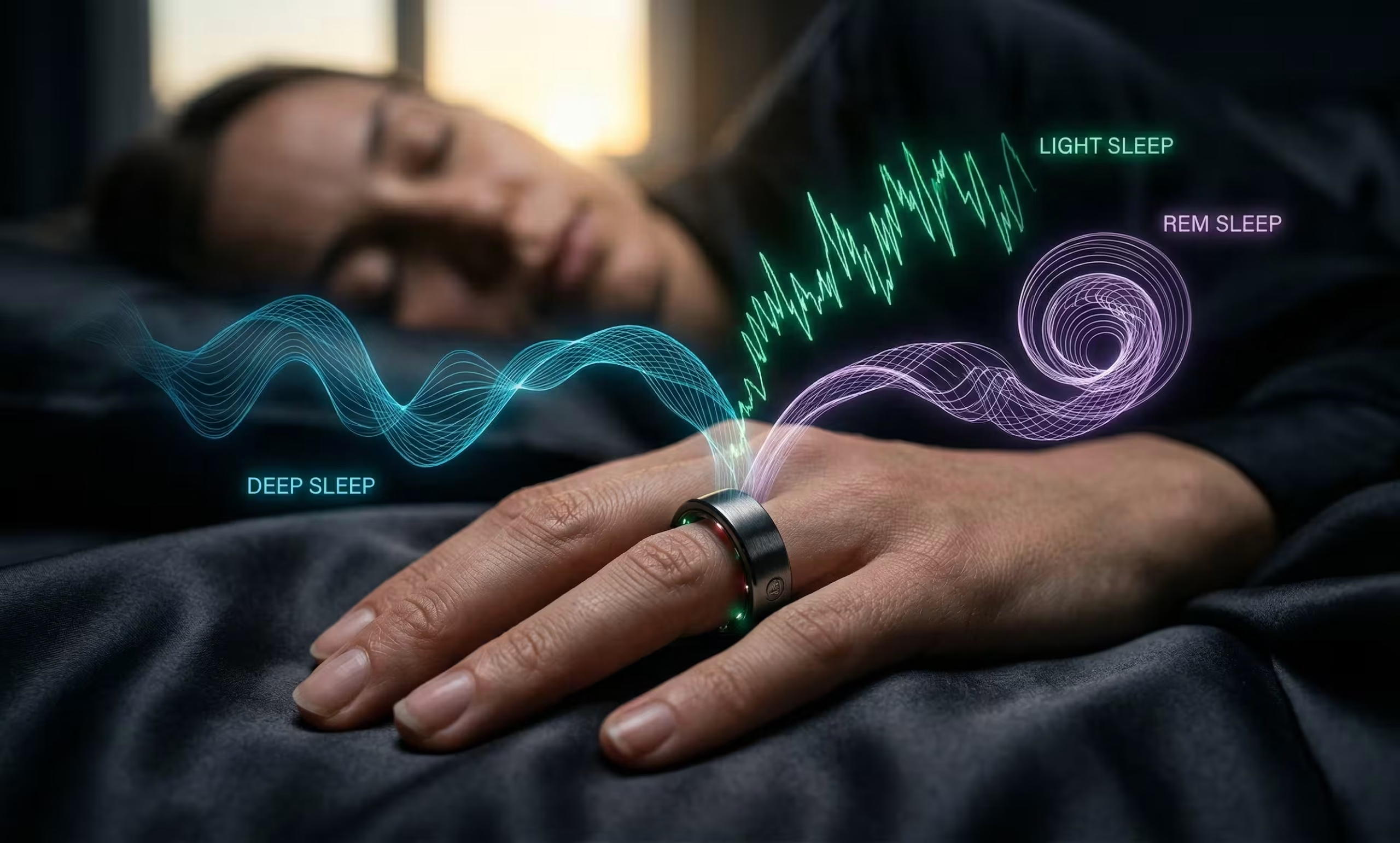
- Sleep is Cyclical: A healthy night's sleep is not a single, continuous block, but rather a cycle of repeating stages: Light, Deep, and REM.
- Physical & Mental Recovery: Deep sleep is primarily responsible for physical restoration and immune health, while REM sleep processes emotions and consolidates memories.
- Advanced Sensor Synergy: Premium smart rings detect these complex sleep phases by cross-referencing multi-wavelength PPG data, temperature variations, and micro-movements.
For decades, understanding our sleep quality was reserved for clinical sleep labs. Today, the miniaturization of sensors allows us to monitor our overnight recovery from our fingers. But what exactly happens when we close our eyes, and how does the data translate into actionable wellness insights? Let's explore the architecture of sleep.
Table of Contents
Light sleep typically accounts for about 50% to 60% of a healthy adult's night. Often underestimated, this stage serves as the vital transition between wakefulness and the deeper, more restorative stages of sleep.
During light sleep, your heart rate and breathing begin to slow down, and your body temperature drops slightly. While it is easier to be woken up during this phase, it is far from "useless" sleep. It helps regulate your overall sleep cycle and prepares your brain to transition into the deep, slow-wave sleep required for physical restoration.
Deep sleep, also known as Slow-Wave Sleep (SWS), is the most physically restorative sleep phase. It usually makes up about 15% to 25% of your total sleep time, with the longest periods occurring in the first half of the night.
If you wake up feeling refreshed and physically ready for the day, you can thank deep sleep. During this phase, blood pressure drops, breathing becomes very steady, and blood flow is directed toward your muscles. The body releases human growth hormone, repairing tissues, building bone and muscle, and bolstering your immune system. Because brain waves are at their slowest, it is very difficult to wake someone from deep sleep.
While deep sleep repairs the body, Rapid Eye Movement (REM) sleep repairs the mind. Making up about 20% to 25% of the night, REM sleep usually begins about 90 minutes after you fall asleep and becomes longer in the second half of the night.
During REM sleep, brain activity significantly increases, mimicking a waking state. This is when the majority of our vivid dreams occur. It is highly crucial for cognitive functions such as memory consolidation, learning, and emotional regulation. A lack of REM sleep is often tied to brain fog, irritability, and difficulty concentrating the next day.
Tracking these distinct phases without clinical EEG monitors requires sophisticated hardware and algorithms. COMI smart rings achieve this by constantly analyzing the physiological markers associated with each sleep stage:
Build Your Wearable Brand on Solid Sleep Data
Partner with COMI to leverage our advanced sensor arrays for highly accurate sleep stage tracking. We offer scalable OEM/ODM manufacturing for brands that demand superior algorithmic functionality.